Soho Farmhouse
Structural and Civil Engineering works across the site
Located in West Oxfordshire, Soho Farmhouse is a high-end hotel and leisure facility.
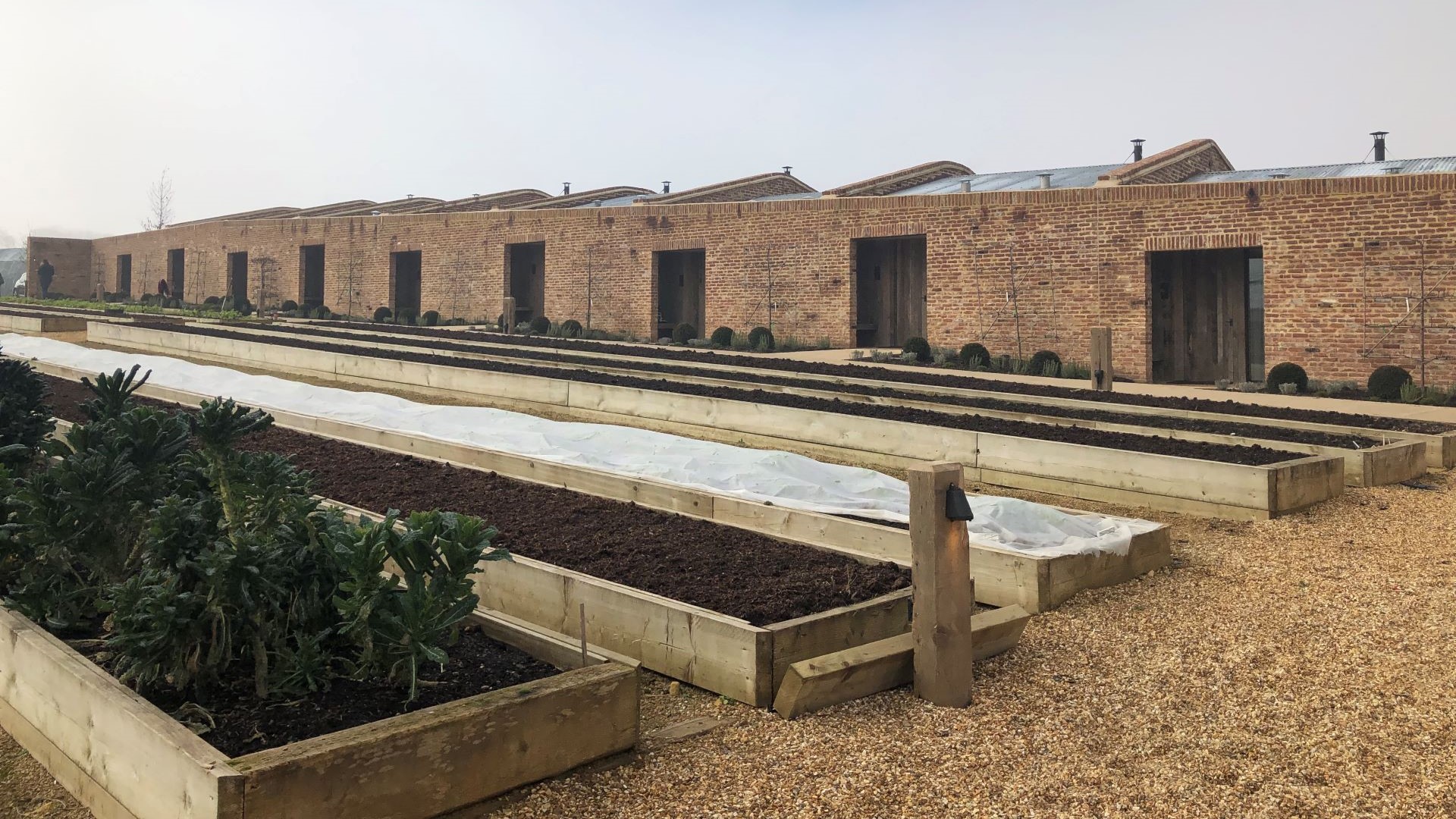
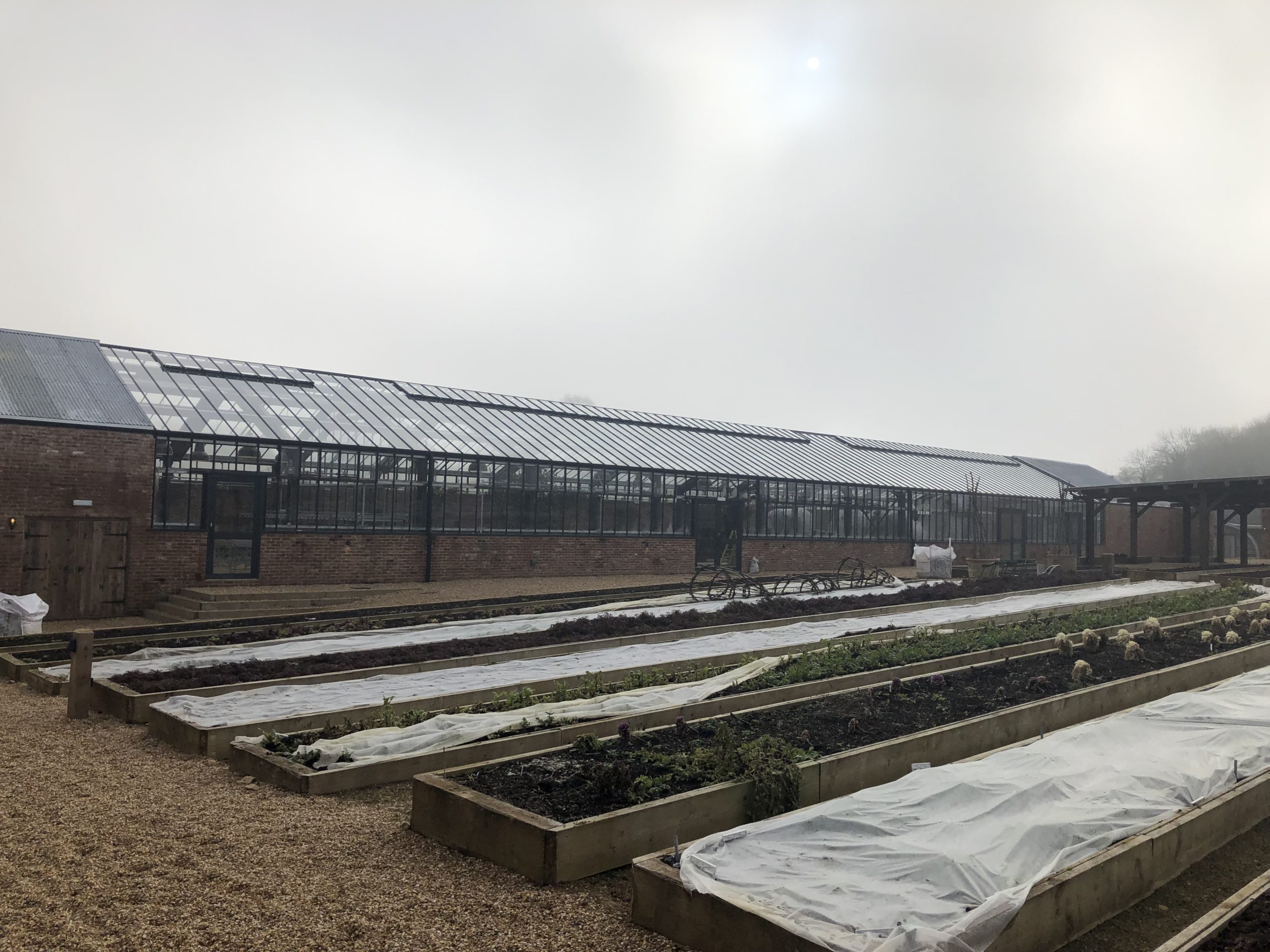
MNP have worked on multiple projects at the venue in recent years, including the structural and drainage design for the expansion of the Farmhouse, comprising 10 new Garden Rooms and a Check Out House. The design consisted of load bearing masonry with steel beams to support traditional cut timber roofs and steel moment frames to provide additional lateral stability. The floors comprise suspended beam and block floors and the buildings sit on trench foundations with localised pads under columns. We also coordinated the foundations and slab design for the Glasshouse with the specialist glasshouse designers and provided a scheme for alterations to the existing Cookhouse and Cowshed buildings.
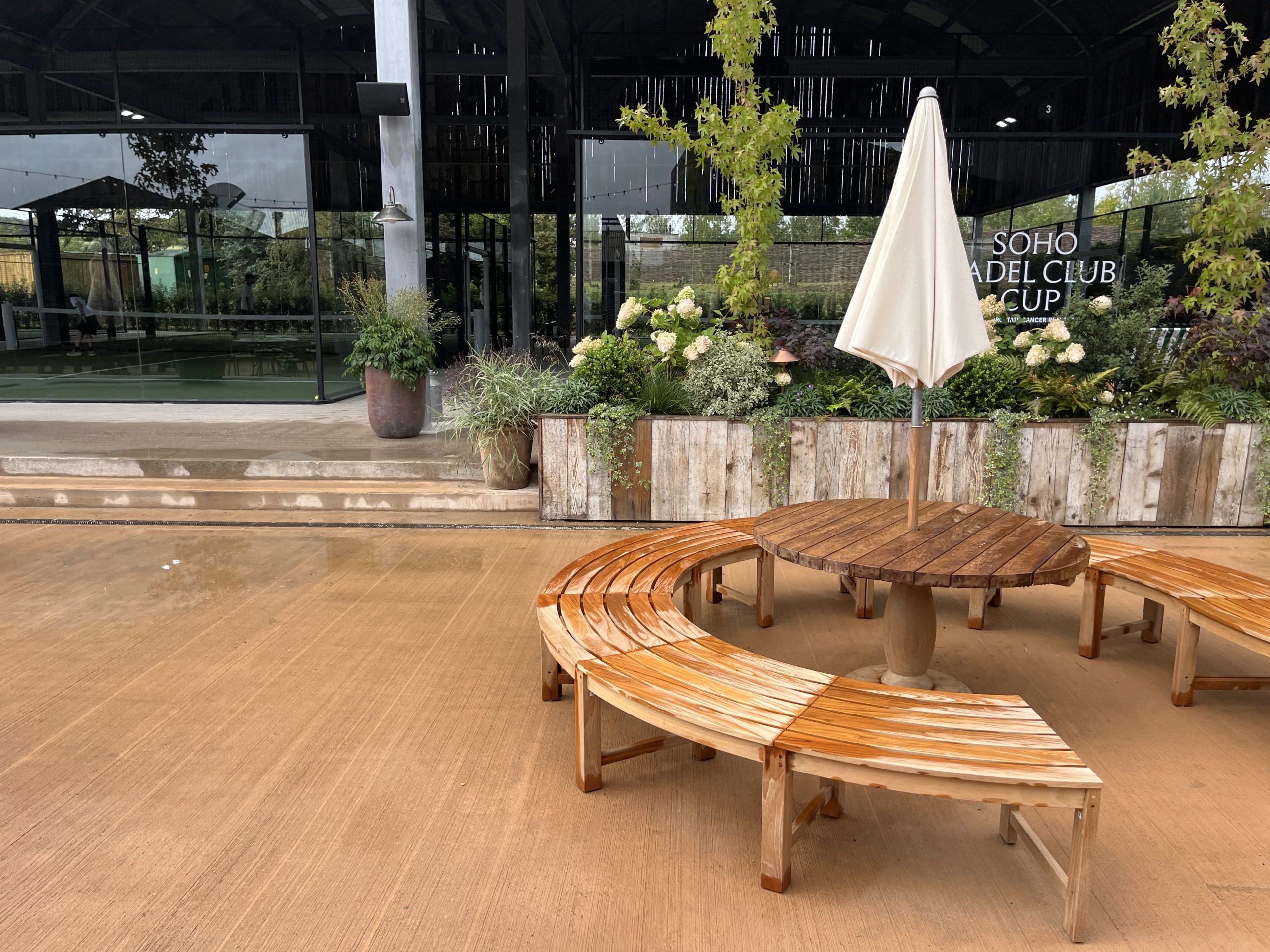
We have also carried out the structural design for the Hay Barn extension, and produced Flood Risk Assessments and Drainage Strategies to accompany planning applications for various works on site, including the farm camp, bell tent field, bike workshop, 20 additional huts, Wellness Centre hot tubs, Teeny Pool, Teenage Barn, new padel courts and extension to the gym.
Most recently, our Civils team have provided solutions for flood remedial works, following Storm Bert in November 2024. The Chipping Norton area received a month’s worth of rainfall across a three day period. Under normal circumstances the undeveloped, arable farmland surrounding the site, would enable the rainfall to percolate into the ground below and disperse the water. However, due to the prolonged duration and high intensity of rainfall brought by Storm Bert, the volume of rainfall far exceeded the capacity of the ground to percolate. This resulted in overland flows from a significant upstream catchment area. These overland flows naturally navigated their way to the river at the bottom of the valley, but this route ended up inundating the site and causing significant damage. Water flowed across the tennis court and damaged the court carpet beyond repair. Significant amounts of water entered the boating lake, which caused the resting water level to rise, which in turn overtopped in to the adjacent swimming pool, and lead to flooding of the basement of the Boat House.
MNP derived solutions to protect the site from future storm events, but that are also discrete – vital given the setting as a leisure and hotel facility. From a detailed review of topographical and LIDDAR survey information, supported by drone photos in the aftermath, it was possible to determine the overland flow route into the site and the size of the catchment area. This enabled us to design our proposed preventative measures.
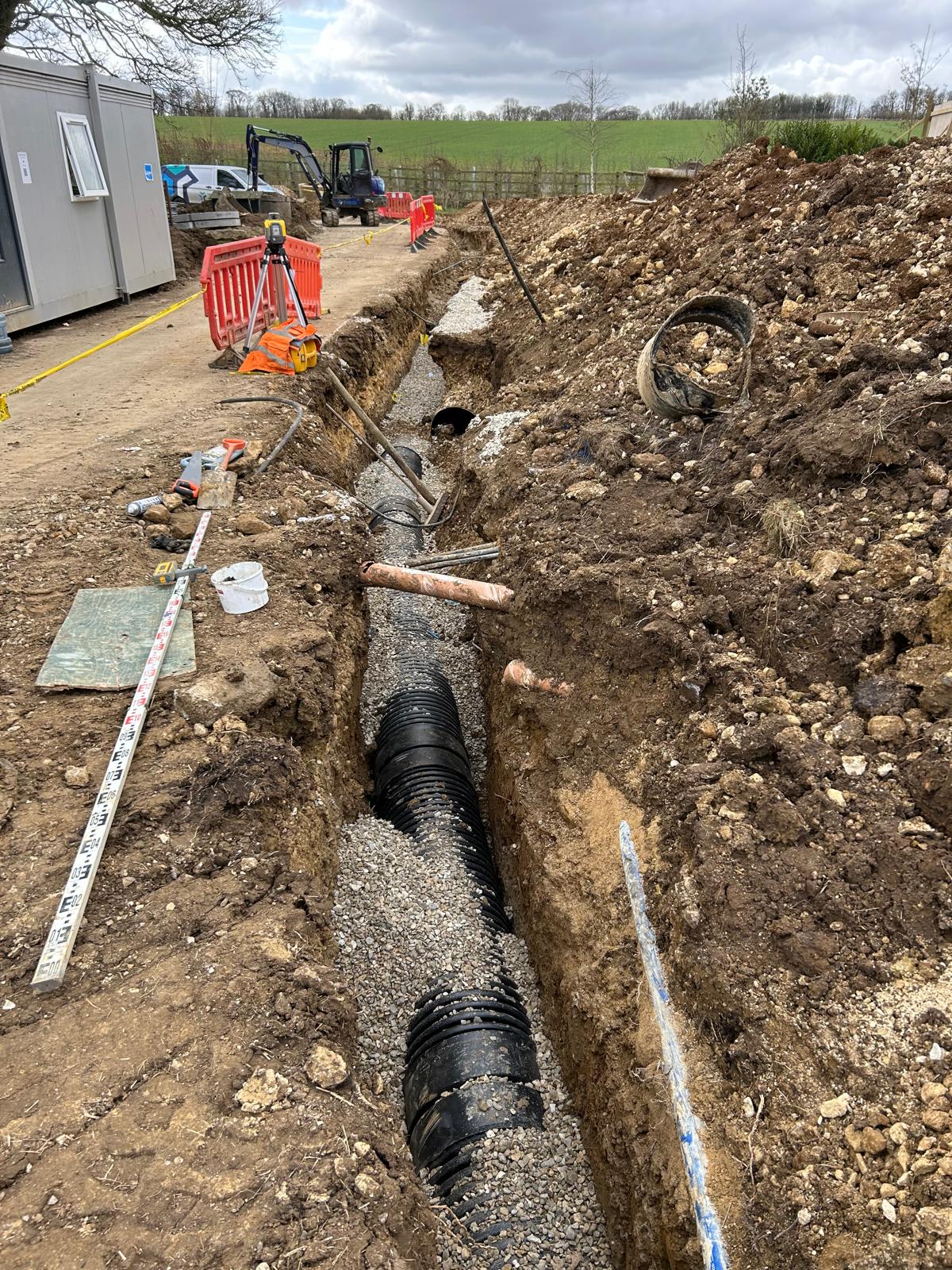
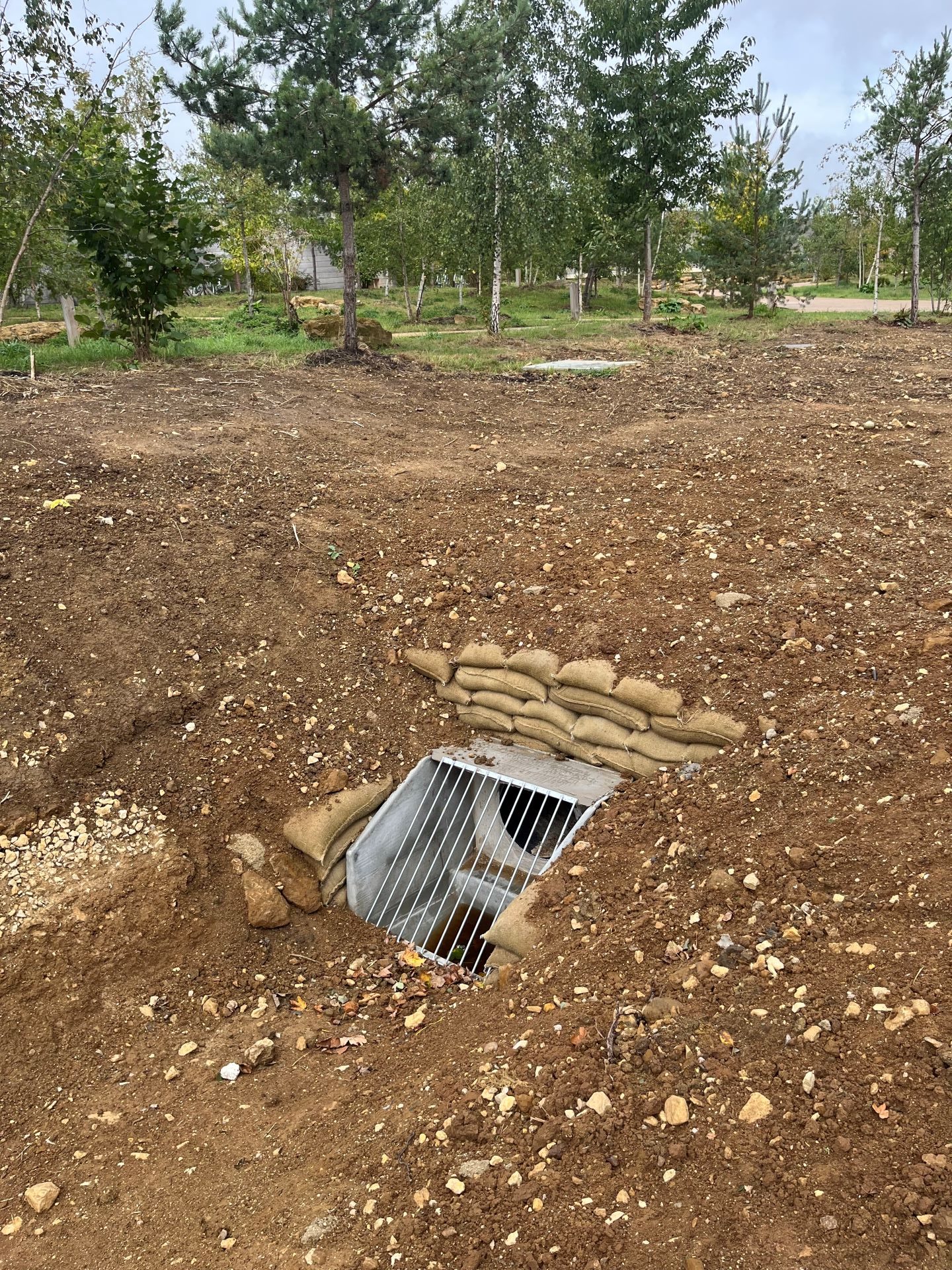
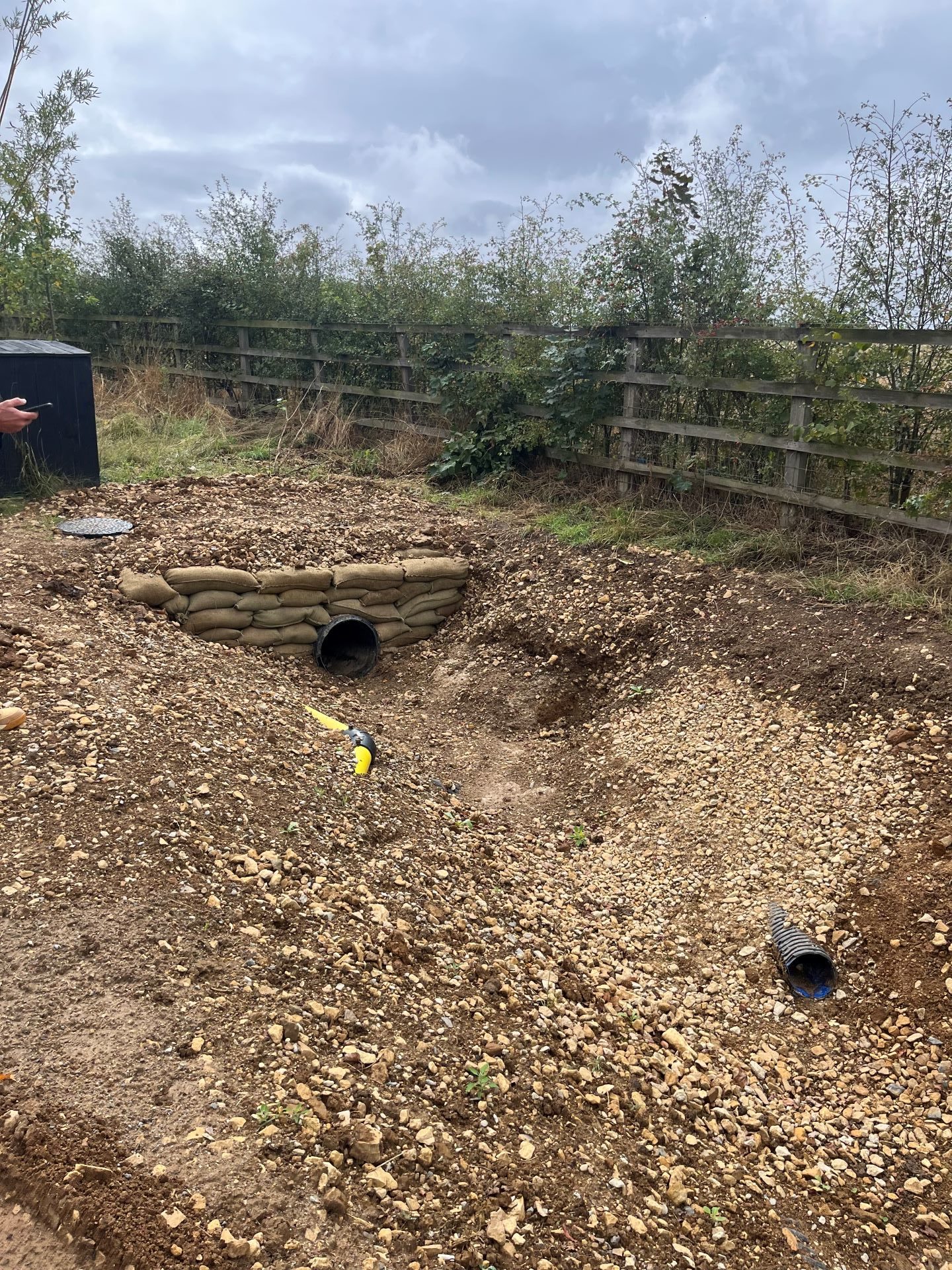
At the point where flood water was deemed to enter the site, we introduced a ‘cut-off’ swale that would initially collect the water. From the swale, we then designed and sized a new direct piped route down to the River Dorn with a new headwall outlet. This was sized for the greenfield runoff rate, and would assist in getting the excess water in to the River Dorn more efficiently.
To provide further protection to the boating lake, which originally had one means of overflow via the re-circulation pump chamber, we designed two additional measures at the downstream end of the boating lake. The first was a weir wall manhole – a pipe in the lake that feeds into a downstream manhole. Within the manhole a weir wall is set above the water level of the lake, but below the level of the building. Therefore with any rise in water level, water would spill over the wall, outfall into a downstream ditch and ultimately in to the River Dorn. The second measure was a subtle swale which would convey any overspill if the lake’s bank level was breached, and funnel it via a ditch down to the River Dorn.
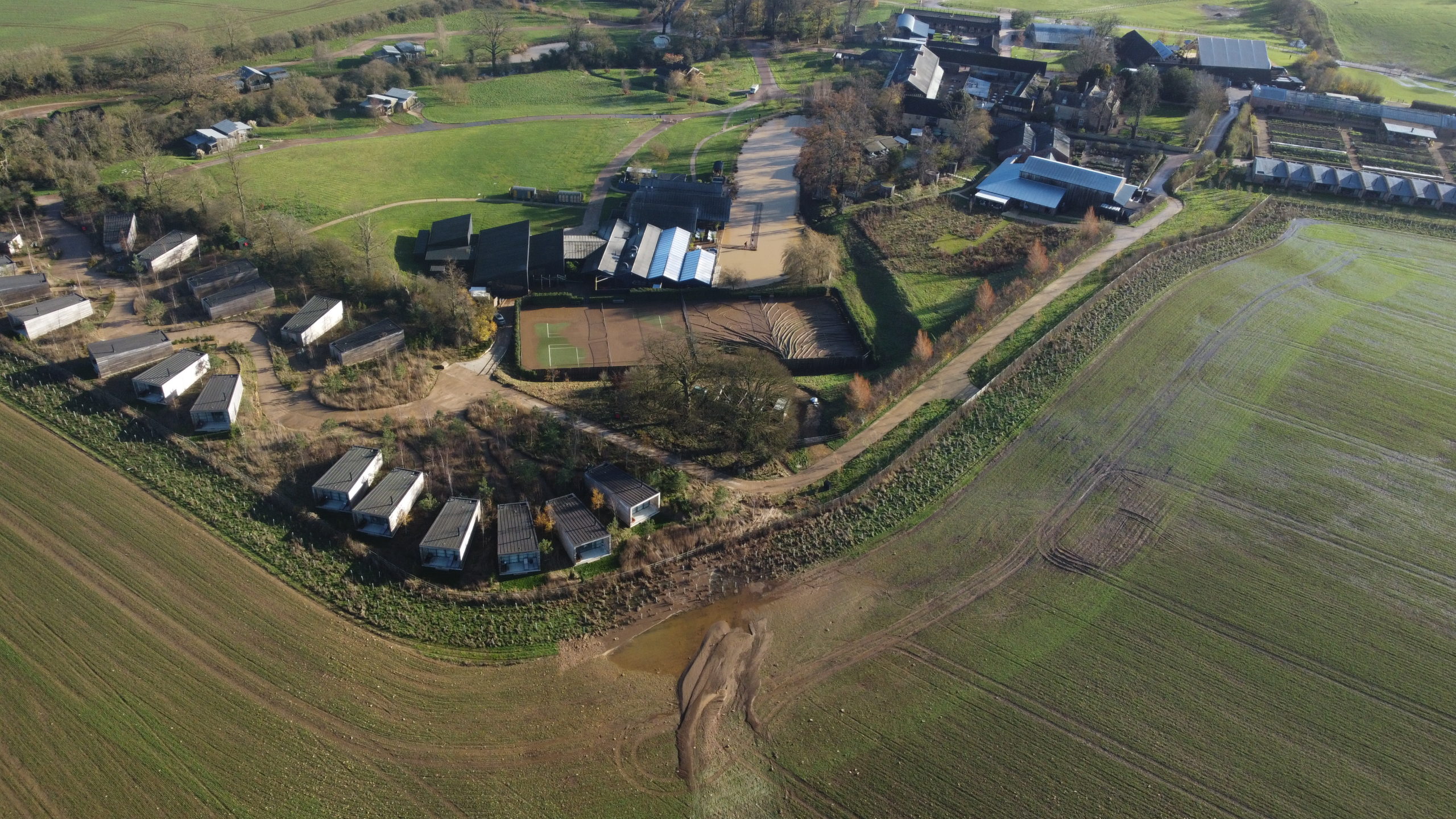
Drone footage of flooding following Storm Bert
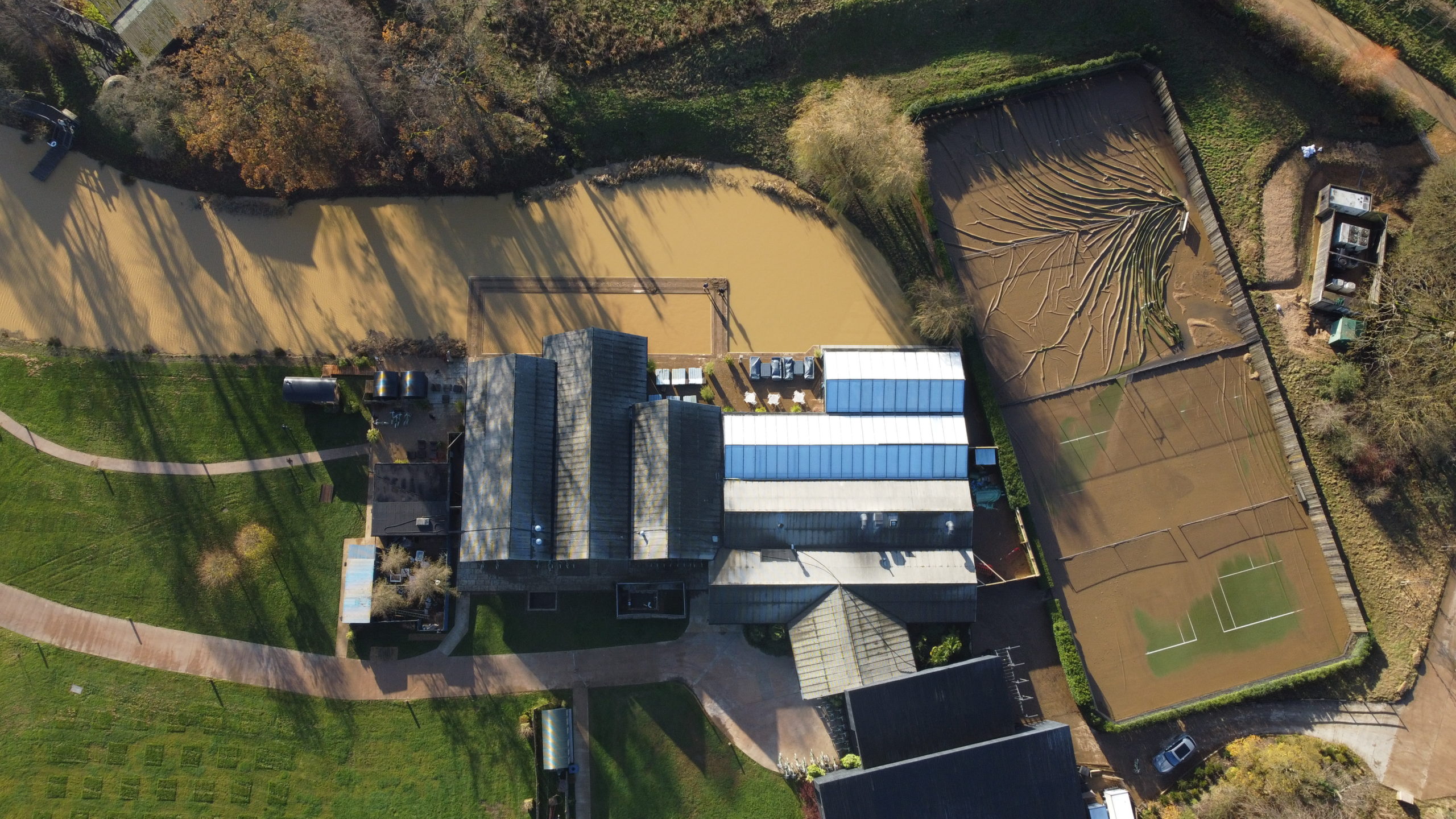
Damage to tennis courts following Storm Bert